
What Is a Mortise Lock — and Why Cold Spring Homes Have So Many of Them
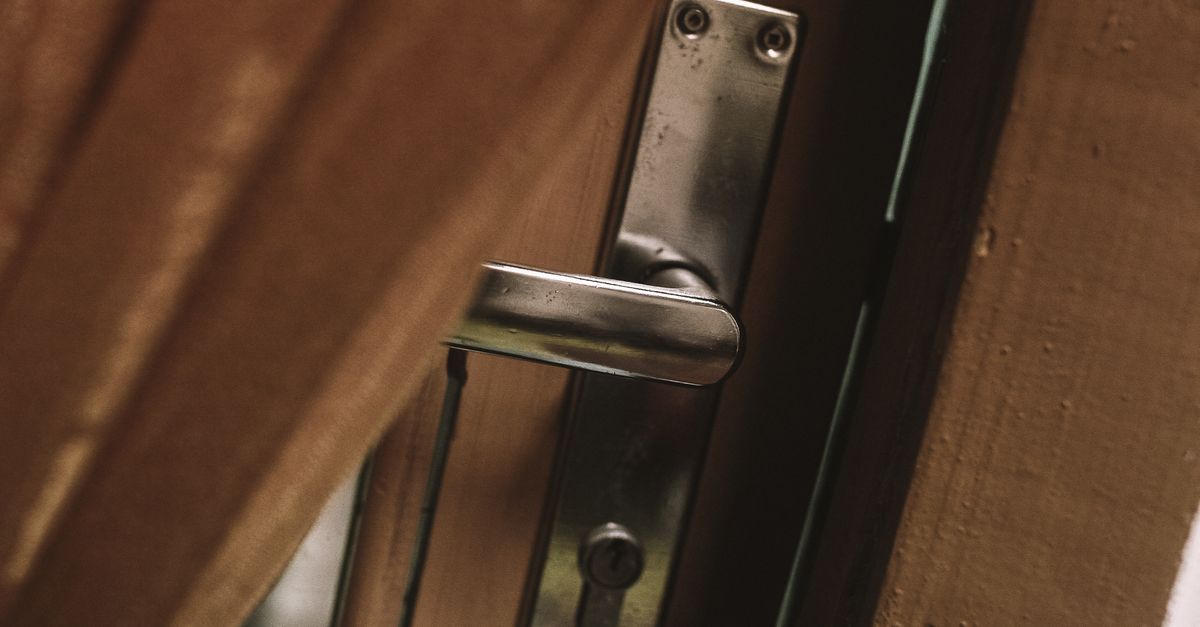
A mortise lock is a lock mechanism that is installed by cutting a deep rectangular pocket — the mortise — into the edge of a door, allowing the lock body to sit flush and protected inside the door itself. Unlike a cylindrical bored lock, which simply passes through a single hole, a mortise lock set contains an integrated assembly: latch bolt, deadbolt, spindle for the knob or lever, and sometimes a separate cylinder — all housed in a single cast metal case. This design makes mortise locks mechanically robust and significantly more resistant to forced entry than surface-mounted alternatives, which is precisely why builders in the Hudson Valley favored them from the mid-1800s through the mid-20th century.
Cold Spring was a manufacturing hub — the West Point Foundry once operated just north of the village, drawing skilled tradespeople who built substantial homes with substantial hardware. Many of those residences still carry the original mortise lock sets: heavy cast-iron or brass bodies, porcelain or glass knob sets, and skeleton-key or early pin-tumbler cylinders. When a homeowner on Chestnut Street or up near the Cornish Estate calls us about a door that 'won't catch right,' nine times out of ten the culprit is a century-old mortise lock that simply needs a professional disassembly, cleaning, and rebuild — not a trip to a big-box store for a modern cylinder bored lock that will not even fit the mortise pocket.